
round black led mirror
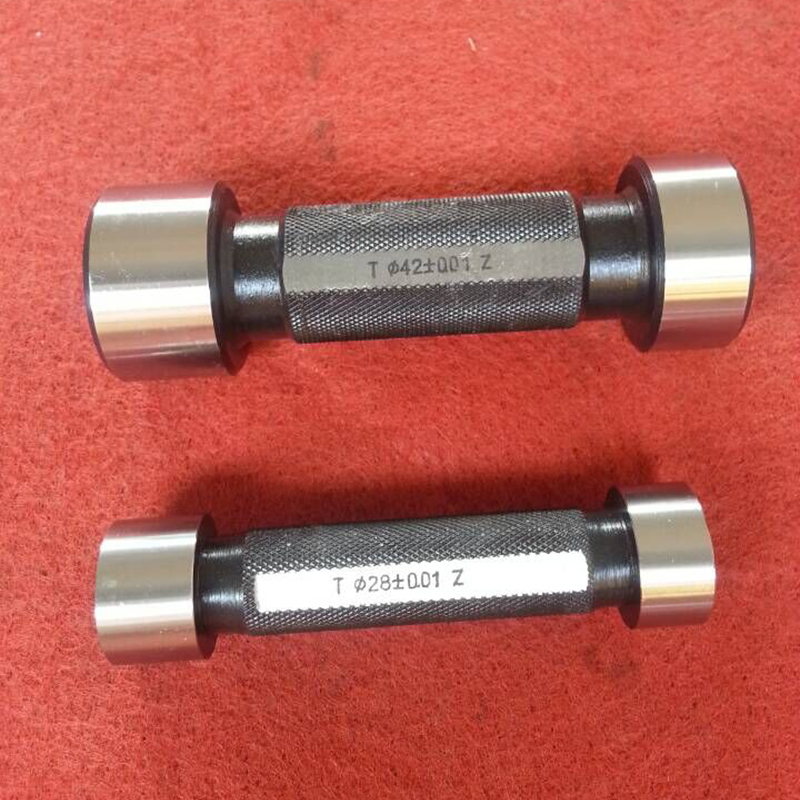
Understanding Plain Plug Gauge Standards Plain plug gauges are essential tools in the field of manufacturing and quality control. They are used to check the accuracy of hole dimensions and help ensure that parts meet specific design criteria. The standardization of these gauges is crucial for maintaining consistency, reliability, and quality in production processes across various industries. This article delves into the concept of plain plug gauge standards, their applications, types, and significance in ensuring precision in engineering. What is a Plain Plug Gauge? A plain plug gauge is a precision measuring instrument used primarily to inspect the internal diameters of holes. It is designed in a cylindrical shape and comes in various sizes to match the required specifications of different hole dimensions. The main purpose of a plain plug gauge is to determine whether the hole's diameter is within the acceptable tolerances defined by engineering drawings or standards. Importance of Standardization The standardization of plain plug gauges is imperative for several reasons 1. Consistency Standardized gauges ensure that measurements are uniform across different manufacturers and industries. This consistency is crucial for interchangeability, which is vital in mass production settings. 2. Quality Control Having standardized dimensions means that quality control processes can be uniformly applied. This helps eliminate defects and ensures that products meet customer expectations and regulatory requirements. 3. Efficiency Standardization reduces the time and cost involved in manufacturing gauging tools. Manufacturers can produce gauges that comply with widely accepted standards, which streamlines production and reduces lead times. 4. Global Trade In an increasingly globalized market, standardization facilitates international trade. When manufacturers use standardized gauges, buyers can be more confident in the quality and reliability of components regardless of where they are produced. plain plug gauge standard Types of Plain Plug Gauges Plain plug gauges typically come in two forms go and no-go gauges. - Go Gauge This gauge is used to check if a hole meets the minimum size requirement. If the gauge fits into the hole, it indicates that the hole size is acceptable. - No-Go Gauge Conversely, the no-go gauge checks if a hole is within permissible limits by determining its maximum size. If the no-go gauge fits, it signifies that the hole is too large and out of specification. Using both gauges together allows for a comprehensive assessment of hole dimensions, ensuring they meet specified tolerances. Applications Plain plug gauges are widely used in various industries, including automotive, aerospace, machinery, and electronics. They are instrumental in processes where precision is paramount, such as - Ensuring the proper fit of components in assemblies - Verifying hole sizes for bolts, screws, and other fasteners - Conducting routine inspections in quality control settings Conclusion The standardization of plain plug gauges is vital for maintaining precision and reliability in manufacturing processes. These gauges play a crucial role in quality control, ensuring that parts meet the necessary specifications and tolerances. With their simple yet effective design, plain plug gauges allow manufacturers to uphold standards, enhance productivity, and facilitate global trade. As industries continue to evolve and demand higher precision, the importance of standardized measuring tools like plain plug gauges will only grow. Understanding and implementing these standards is key to sustaining quality and excellence in production practices.
about
round black led mirror
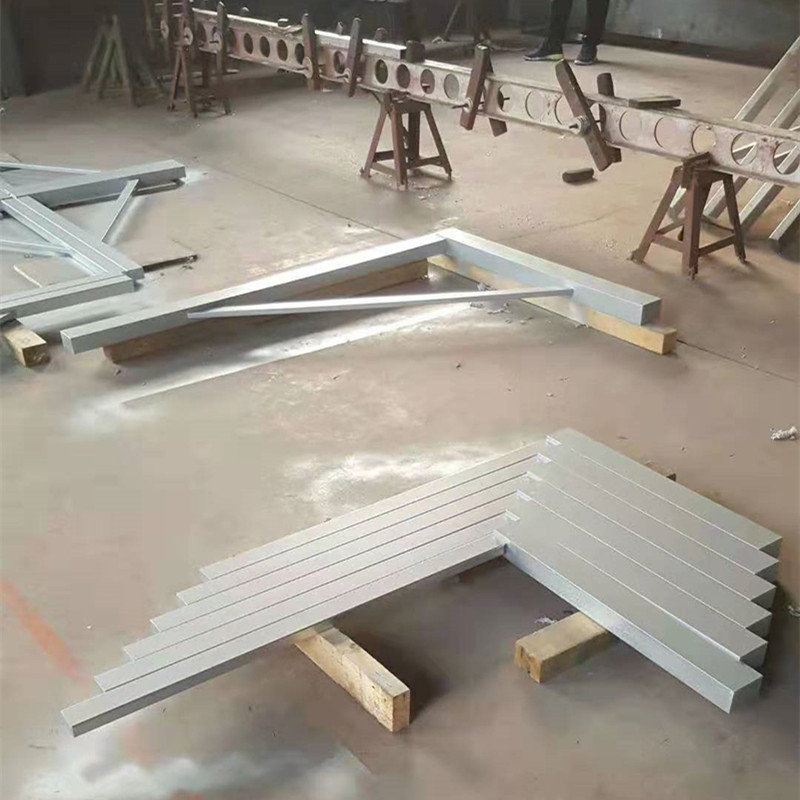
Strumento Righello per Angoli Retti Un Alleato Inseparabile per Ogni Progetto Nel mondo del design, dell'architettura e dell'artigianato, la precisione è fondamentale. Tra gli strumenti più utilizzati dai professionisti e dagli hobbisti di tutti i livelli, il righello per angoli retti si distingue come un elemento essenziale. Questo strumento, semplice ma incredibilmente utile, offre una serie di vantaggi che possono migliorare notevolmente la qualità del lavoro svolto. Un righello per angoli retti, comunemente noto come squadra, è uno strumento di misurazione che permette di tracciare linee perfettamente perpendicolari e angoli di 90 gradi. Questo è particolarmente importante in molti settori. Ad esempio, nel settore dell'architettura, garantire che i muri siano perfettamente dritti e angolati è cruciale per la stabilità e l'estetica di un edificio. Allo stesso modo, i falegnami lo utilizzano per assicurarsi che i pezzi di legno siano assemblati correttamente, prevenendo errori potenzialmente costosi. Strumento Righello per Angoli Retti Un Alleato Inseparabile per Ogni Progetto Uno degli aspetti più interessanti del righello per angoli retti è la sua versatilità. Non è limitato solo ai progetti di costruzione; è ampiamente utilizzato anche nell'arte. Gli artisti, ad esempio, possono utilizzarlo per creare composizioni equilibrate e prospettive corrette. La sua capacità di garantire angoli retti rende più semplice anche la creazione di schizzi dettagliati, carte geografiche e modelli di design. right angle ruler tool Inoltre, il righello per angoli retti è uno strumento imprescindibile nelle aule scolastiche. Gli insegnanti di matematica e geometria lo utilizzano per spiegare concetti fondamentali sulle proporzioni, le simmetrie e gli angoli. In questo contesto, l'uso di uno strumento semplice ma efficace come il righello permette agli studenti di visualizzare meglio le nozioni teoriche e applicarle in modo pratico. Un altro vantaggio del righello per angoli retti è il suo costo contenuto. A differenza di molti strumenti tecnologici moderni, un righello è accessibile a chiunque e non richiede una formazione complessa per essere utilizzato correttamente. Questo lo rende ideale non solo per professionisti ma anche per amatori e studenti che appena iniziano a esplorare il mondo del design e della costruzione. Per garantire un risultato ottimale, è importante utilizzare il righello in modo corretto. È fondamentale posizionarlo con attenzione sull'area di lavoro, assicurandosi che sia ben allineato prima di tracciare qualsiasi linea. Inoltre, è utile mantenere il righello pulito e privo di graffi per evitare errori dovuti a imprecisioni. In conclusione, il righello per angoli retti è uno strumento essenziale in molti ambiti del lavoro creativo e tecnico. La sua capacità di garantire angoli perfetti e linee dritte lo rende un alleato imprescindibile per chiunque desideri raggiungere un alto livello di precisione. Che si tratti di un progetto di costruzione, di un'opera d'arte o di un compito scolastico, il righello per angoli retti si rivela sempre un compagno fidato nel percorso verso il successo. Investire in uno di questi strumenti non è solo una scelta intelligente, ma un passo fondamentale per migliorare la qualità e l'efficacia del proprio lavoro.
-

High quality industrial productsagement

High quality industrial products
View Details -

Meet the diverse needs of customers

Meet the diverse needs of customers
View Details -

Strict quality control

Strict quality control
View Details -

Top raw materials

Top raw materials
View Details -

Trusted supplier

Trusted supplier
View Details
Our application


news and information
welding fab table for sale
The Rise in Popularity of Welding and Fabrication Tables for Sale In recent years, the demand for we
V-Block Designs for Efficient Machining Applications
V-Blocks for Machining An In-Depth Overview In the world of precision machining, the importance of e
válvula de retenção do pistão
Válvula de Chegada com Pistão Um Componente Essencial na Indústria As válvulas de chegada, especialm
 English